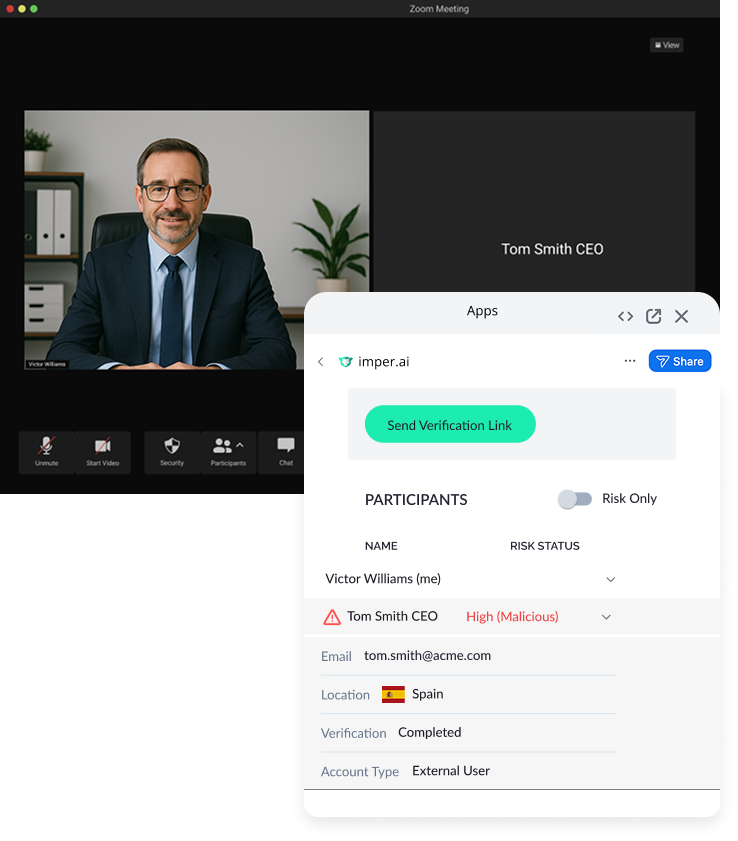
Understanding the Complexities of Shared Mailbox Security
How do businesses ensure that their shared mailboxes remain secure from the evolving AI-driven threats? This is a question that lingers on the minds of cybersecurity professionals across industries. Digital is fraught with challenges where attackers become increasingly adept at exploiting weaknesses in shared mailbox security. Internal spoofing, mail auth fraud, and even executive impersonation are on the rise, urging organizations to fortify their defenses.
The Anatomy of Modern Cyber Threats
Attackers are now adept at blending tactics across various communication platforms. This creates a scenario where legitimate communications are nearly indistinguishable from sophisticated scams. Recent data suggests that business email compromise remains a significant threat, resulting in billions of dollars in losses each year. One key vulnerability exploited by attackers is the shared mailbox.
Shared mailboxes are often used to improve collaboration and communication within organizations. However, their ease of access and lack of stringent security controls make them prime targets for internal spoofing and mail authorization fraud. With attackers deploying advanced AI-driven impersonations, the risk of executive impersonation grows exponentially.
The Real Cost of Mail Auth Fraud
The financial ramifications of mail auth fraud are profound. Such attacks can lead to severe financial risk for businesses. In one instance, a company nearly lost $800,000 to a wire fraud scheme perpetrated through a compromised shared mailbox. Fortunately, proactive measures and quick detection helped avoid the loss. However, not all organizations are as fortunate.
Beyond the immediate financial losses, the impact on a company’s reputation can be just as damaging. Once trust is eroded, it becomes exponentially challenging to regain it. As seen in reputational damage cases, customers and partners may become wary of an organization’s ability to safeguard critical information, leading to long-term business ramifications.
Proactive Measures for Identity Verification
The cornerstone of effective shared mailbox security lies in a comprehensive identity-first prevention strategy. This includes real-time, context-aware identity verification that can detect and prevent threats at the point of entry. Unlike traditional security measures that focus merely on content filtering, a holistic approach utilizes multi-factor telemetry for real-time verification.
- Real-time Detection: Instantly blocking fake interactions and malicious activities at the point of entry.
- Multi-channel Security: Protects conversations across platforms like Slack, Teams, Zoom, and email.
- Enterprise-grade Privacy: A privacy-first approach with zero data retention seamlessly integrates within existing workflows.
- Proactive Prevention: Stops social engineering and AI-driven deepfake attacks before they infiltrate systems.
- Reduced Financial and Reputational Damage: Directly prevents losses from incidents like wire fraud and intellectual property theft.
- Mitigation of Human Error: Compensates for employee mistakes and fatigue through automated detection and response.
- Seamless Integrations: Offers no-code, agentless deployment with connectors to systems like Workday and RingCentral.
Each of these proactive measures ensures that organizations can detect and respond to threats swiftly, minimizing damage and maintaining trust in digital interactions.
The Importance of Continuous Adaptation
With attackers continuously evolving their methods, it is imperative for security solutions to stay a step ahead. An AI engine that adapts to new and sophisticated impersonations is crucial in ensuring long-term protection. By continuously updating to outpace emerging threats, organizations can safeguard against a wide array of attack modalities.
Moreover, this proactive stance allows companies to restore confidence in digital interactions. Where deepfake technology can easily deceive, having a robust identity verification system means that once again, “seeing is believing.”
Securing Mission-Critical Sectors
Organizations operating in mission-critical sectors are especially vulnerable to advanced AI-driven threats. Here, the stakes are higher, and the need for foolproof security measures more pressing. By protecting hiring and onboarding processes against deepfake candidates and providing vetted access for vendors and contractors, these organizations can prevent insider threats and supply chain risks effectively.
Ensuring that shared mailboxes are not an avenue for exploitation requires a comprehensive, multi-layered security strategy. This strategy not only protects against financial losses but also mitigates operational disruptions and reputational harm.
Shared Mailboxes: A Double-Edged Sword
While shared mailboxes offer immense benefits in enhancing collaboration, they also pose significant risks. CISOs, CIOs, risk officers, and IT professionals must work together to implement rigorous access management protocols and leverage advanced AI-driven solutions to monitor and secure these communication channels.
Modern threats demand a proactive, identity-first approach to cybersecurity. Organizations must remain vigilant, continuously adapting their defenses to counteract sophisticated AI-driven tactics. By doing so, they protect their assets, bolster their reputation, and reinforce confidence in their digital communications.
While we delve deeper into these strategies, it becomes increasingly apparent that effective cybersecurity is not just about technology but also about fostering a culture of vigilance and proactive prevention across organizations.
Challenges in Balancing Easy Collaboration and Strict Security
How do organizations strike a balance between enabling seamless team collaboration and implementing stringent security measures? Shared mailboxes exemplify this conundrum, offering the flexibility and convenience needed for effective communication, yet simultaneously opening doors to vulnerabilities. The allure of these mailboxes lies in their capacity to unify communication, ensuring everyone stays in the loop without a barrage of redundant emails. However, this very accessibility can transform them into a double-edged sword if not managed properly.
Businesses often overlook the implications of unmonitored shared mailbox access. Forgetting to adjust permissions when an employee departs isn’t uncommon, yet such oversights can provide former employees—or even unauthorized outsiders—access to sensitive information. Thus, robust identity and access management protocols should be intertwined with the operational utility of shared mailboxes. Empowering teams to leverage shared mailboxes without compromising security hinges on a delicate equilibrium.
Identifying Vulnerability Points in Shared Mailboxes
Pinpointing the precise vulnerability points within shared mailboxes is crucial for developing effective security strategies. With phishing attacks and other cyber threats frequently targeting these digital fortresses, businesses need to understand the anatomy of these vulnerabilities to safeguard themselves adequately.
Shared mailboxes typically grant access to multiple users, increasing the risk of unauthorized entry. This raises the stakes considerably because an attacker gaining access to one user’s credentials can exploit the entire shared resource. A compromised mailbox can lead to a cascade of information breaches, exposing not only internal communications but also sensitive client or vendor interactions.
Moreover, assessing how information flows through these mailboxes can help identify potential breaches. Whether through the accidental forwarding of sensitive emails or lack of encryption in communications, understanding each potential leak source allows security teams to fortify their defensive strategies proactively.
Harnessing Technology for Enhanced Security
With the sophistication of threats increases, so too must the robustness of our defenses. Leveraging advanced AI-driven solutions transcends basic security measures like two-factor authentication or password policies. With the advent of technologies capable of real-time anomaly detection, organizations can dissect communication patterns dynamically, flagging potential threats based on deviations from standard operations.
Considering that attackers employ complex strategies spanning multiple communication platforms, integrating various tools—such as threat intelligence and behavior analytics—can provide a holistic view of network activity. Multi-factor authentication should be supplemented with continuous user behavior analytics to adapt swiftly to emerging threats. For instance, behavioral biometrics can provide an additional layer of security, evaluating user interactions with the system to identify and block unauthorized actions.
Furthermore, implementing robust encryption protocols and ensuring they are continuously updated can safeguard against data interception. Combining these technological advancements with stringent policies will provide a comprehensive security framework that protects shared mailboxes from diverse threat vectors. Education and training should also emphasize utilizing these technological solutions effectively, ensuring users are adequately equipped to face potential threats.
Cultivating a Proactive Cybersecurity Culture
Technology alone cannot ensure comprehensive security; its effectiveness hinges on the organizational culture surrounding its utilization. Encouraging a security-focused mindset across all organizational layers is vital for resilience against evolving cyber threats. The involvement of all stakeholders—including management and IT personnel—in championing cybersecurity principles is instrumental in fortifying defenses.
IT and security teams must provide clear guidelines and training programs that educate staff on the significance of robust cybersecurity practices. Emphasizing vigilance extends beyond simple awareness to fostering a mindset where security considerations are instinctively integrated into decision-making processes. Employees serve as the frontline defense against social engineering tactics, and empowering them with the knowledge to recognize such threats bolsters organizational defenses.
Ultimately, a culture that values cybersecurity transforms every user into a potential security advocate. From executives to entry-level employees, each individual’s actions—guided by strong security policies and practices—reduce the likelihood of breaches and enhance the organization’s overall security posture.
The Role of Continuous Education and Training
Threats are in constant flux; keeping abreast of the latest strategies and methods employed by malicious actors is indispensable. Regular training sessions targeted at refreshing awareness of social engineering tactics and emphasizing recognition of deepfake technologies form the backbone of a proactive defense strategy. Facilitating hands-on workshops and simulation exercises can instruct employees to effectively identify and respond to fraudulent activities.
Additionally, integrating cybersecurity discussions into regular meetings and communications keeps security considerations at the forefront of organizational processes. Where new vulnerabilities arise, timely education provides organizations with a means to address them, preemptively staving off potential exploitation.
Organizations can further empower staff by implementing a clear incident response protocol. When employees sense an anomaly, understanding the steps to report and manage potential threats diffuses panic and ensures that all actions align with organizational security policies. As such, continuous education hinges on progressively evolving curricula that cultivate a culture of vigilant preparedness.
With multichannel threats constantly evolving, safeguarding shared mailboxes demands agile, identity-first security strategies. By harnessing advanced technologies, cultivating a security-centric culture, and prioritizing continuous education, businesses can augment their defensive capabilities. These strategies serve as the fulcrum of a robust cybersecurity framework, ensuring shared mailboxes remain secure vessels of collaboration and communication without succumbing to the vulnerabilities inherent in shared digital assets.