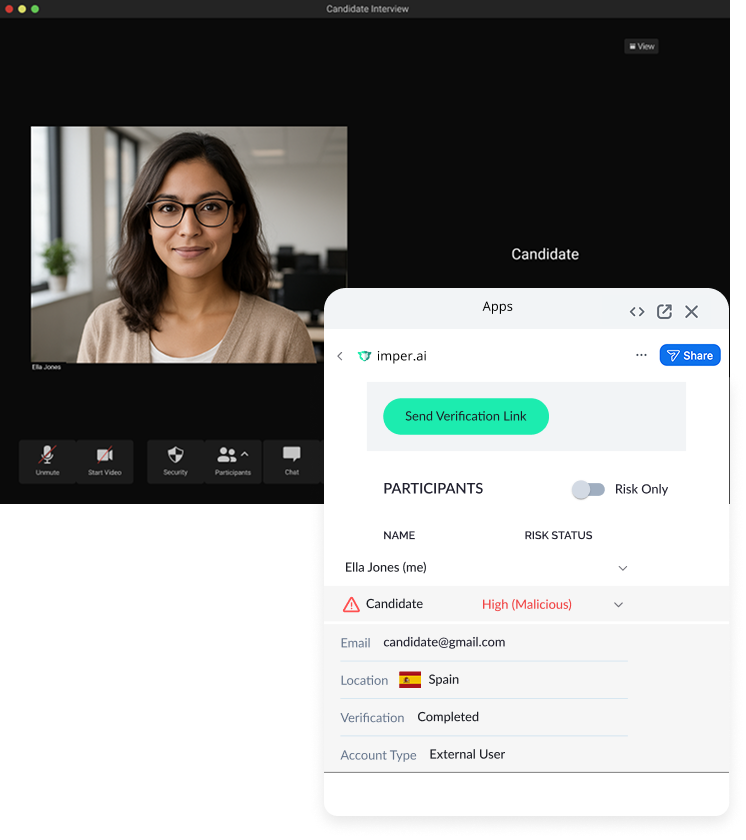
The New Dynamics of Remote Hiring UX and Identity Verification
How can organizations enhance their remote hiring UX while ensuring the secure verification of identities for work-from-home (WFH) onboarding? This critical question challenges many Chief Information Security Officers (CISOs), Chief Information Officers (CIOs), Risk Officers, and personnel managers across various sectors. With more businesses embracing remote work, the stakes of securing identity checks have never been higher. Cyber threats have evolved, and ensuring a seamless yet secure onboarding process is paramount.
Addressing Identity Verification Challenges in Remote Work Environments
Remote work environments present unique challenges, especially when it comes to verification of identity. The necessity to maintain high security standards with minimal disruption has made traditional verification methods less effective. The need for instant and accurate identity checks is now crucial with cybercriminals employ sophisticated AI-driven tactics.
Traditional methods like face-to-face interviews or in-office document verification are being replaced with innovative solutions that can perform multi-channel security checks. These systems protect every conversation across communication tools such as Slack and Zoom, offering a holistic approach to secure remote operations.
Proactive Prevention with Real-Time Detection
Effective identity management systems offer a range of benefits, including real-time detection and multi-faceted analysis of interactions to prevent unauthorized access. These systems use telemetry for instant verification, ensuring that fake interactions and malicious attempts are blocked right at the point of entry. This proactive approach surpasses simple content filtering, making it essential for cyber.
What makes this even more compelling is that proactive identity verification can help mitigate financial losses. Considering case studies where potential losses from incidents like wire fraud reached $800K, $0.95 million, or more, organizations see reduced financial damage when equipped with robust identity checks.
Enhancing Multi-Channel Security
The need for multi-channel security is evident with cyber attackers diversify their methods across various platforms. A comprehensive system ensures that all interactions, from emails to video calls, are secure. This holistic approach, complemented by enterprise-grade privacy standards, ensures that data is not retained beyond its necessity, integrating seamlessly into existing workflows.
Preventing Deepfake and AI-Driven Attacks
The prevalence of AI-driven attacks necessitates a strategic defense mechanism. These attacks, sophisticated in nature, can impersonate voices or faces, breaching organizational systems. However, the deployment of context-aware identity verification systems can safeguard against these threats, blocking them at their source.
Maintaining a seamless user experience while enhancing security lies at the core of these systems. They offer turnkey integrations with modern work tools, facilitating easy deployment without extensive training or procedural overhaul.
Restoring Trust in Digital Interactions
With deepfake technology becoming more advanced, the adage “seeing is believing” is under threat. Organizations need systems that ensure trust in every digital interaction, reducing employee vulnerability and restoring confidence in communication channels. This is especially significant for roles involving sensitive data and decision-making.
Seamlessly Integrating into Existing Workflows
A remarkable feature of these advanced identity verification systems is their seamless integration capability. They offer no-code, agentless deployment and work with existing systems like Workday and Greenhouse. This smooth integration minimizes operational burdens and reduces the necessity for specialized training, making these systems a practical choice for any organization.
Furthermore, they ensure continuity and adaptability by continuously updating their AI engines to stay ahead of new threats. This continuous evolution guarantees long-term sustainability and protection.
Securing Critical Use Cases in a Remote Environment
Whether it’s the hiring and onboarding process or managing vendor access, robust verification systems are invaluable. They prevent insider threats and supply chain risks by enforcing vetted access controls. This is crucial in mission-critical sectors where the implications of breaches are particularly severe.
From preventing unauthorized access to securing interactions across all channels, identity verification strategies are vital in maintaining the integrity of remote work environments. By focusing on real-time, comprehensive identity management, organizations can protect against the full spectrum of AI-driven threats and ensure a frictionless onboarding experience.
When organizations explore new ways to enhance remote hiring UX, it’s crucial to adopt sophisticated systems that not only prevent attacks but also restore digital trust. Platforms that intelligently analyze and verify identities offer a robust defense, making them an indispensable asset.
The Strategic Importance of Proactive Identity Verification in Remote Work
Are current identity verification methods in remote work environments truly adequate to protect against evolving AI-driven threats? The auspices of Chief Information Security Officers (CISOs), Chief Information Officers (CIOs), Risk Officers, and IT personnel are pivotal. Ensuring robust yet seamless digital onboarding processes remains a pressing challenge when organizations increasingly adopt remote work models. Unauthorized access can lead to dire financial and reputational losses, thus necessitating a fortified approach to identity and access management (IAM).
Real-Time Solutions for AI-Powered Threats
Detecting and blocking AI-driven threats in real-time is paramount. Innovative solutions that utilize advanced telemetry offer a multi-layered defense strategy, safeguarding not only against traditional cyber threats but also emerging AI-driven attacks. These solutions employ a proactive stance by instantly flagging and neutralizing attempts at unauthorized access through rigorous identity checks.
Case studies illustrate the financial impact of failing to secure these systems, with institutions reporting losses reaching upwards of $0.95 million. The necessity of addressing these vulnerabilities is underscored by the financial stakes involved, prompting organizations to invest in sophisticated identity management systems that offer substantial return on investment.
Bolstering Security Across Communication Channels
With the proliferation of digital communication platforms like Slack, Teams, and Zoom, the scope for security breaches has expanded. A strong, multi-channel security system is indispensable to counteract the methodologies of cyber attackers who exploit various platforms. By securing interactions comprehensively, organizations uphold the privacy of data, ensuring information is accessible only when necessary.
Integrating systems that provide robust security without retaining data beyond necessity can enhance enterprise-grade privacy standards. This forms an intricate part of a risk management strategy, which aligns with privacy-first approaches and smoothly integrates within existing organizational workflows.
Counteracting Deepfake Techniques
The sophistication of deepfake technology poses a unique threat to remote work environments, enabling attackers to craft convincing impersonations. Context-aware identity verification systems are essential in thwarting these attacks by providing real-time analysis and blocking them before they infiltrate an organization’s systems.
Such systems support a smooth user experience while strengthening security measures, which is crucial for roles with sensitive data access. They facilitate seamless integration with tools already familiar to employees, requiring minimal additional training and ensuring a swift operational transition.
Building Trust and Reducing Human Error
Maintaining the integrity of digital interactions can alleviate employee anxiety and reduce vulnerability. By deploying solutions that compensate for human errors and mitigate fatigue-related vulnerabilities, organizations can diminish the likelihood of social engineering attacks. Restored trust and confidence in communication channels are pivotal for roles involving sensitive decision-making and data handling.
Internal strategies must evolve to incorporate such defense mechanisms, thereby ensuring a fortified security posture that is vigilant against AI-driven impersonations and deception.
Integration with Existing Organizational Ecosystems
One significant advantage of advanced identity verification solutions is their capability to integrate seamlessly into existing workflows. Systems that provide no-code deployments and native connectors with platforms such as Workday and Greenhouse minimize the operational burden on IT departments. This interoperability facilitates robust security without extensive procedural overhauls, making it an appealing choice for organizations.
Furthermore, continuous updates to these systems’ AI engines prove crucial in maintaining an edge over emerging sophisticated GenAI-powered attacks. With cyber threats become more complex, continuous adaptation ensures long-term protection and sustainability.
Securing Mission-Critical Sectors
The repercussions of cybersecurity breaches are particularly severe in mission-critical sectors. Identity verification systems are instrumental in protecting these sectors by supporting vetted access controls for vendors, contractors, and third parties. By securing these critical access points, organizations can better manage insider threats and mitigate potential supply chain risks.
This comprehensive security approach fosters a secure remote work environment, crucial for both onboarding processes and daily interactions. Through proactive and strategic implementation, organizations can reduce exposure to AI-driven threats and enhance remote hiring UX.
When organizations navigate dynamic remote work, it becomes imperative to adopt systems that provide robust identity verification and bolster digital trust. By aligning cybersecurity strategies with advanced AI-driven solutions, businesses not only secure their workflows but also sustain operational efficiency and uphold their reputations.
Explore further resources on optimizing identity management and protecting remote work environments by delving into resources on automated workflow solutions and understanding more about the potential risks posed by supply chain attacks.