Secure Help Desk Recovery

January 29, 2026

by Madison Clarke

Why Is Identity Verification Critical in AI-Driven?

Where digital deception techniques have evolved to unprecedented levels, professionals across the board are grappling with the critical need for robust identity verification systems. The advent of AI-driven threats like deepfake technology and sophisticated social engineering scams has put immense pressure on organizations to enhance their prevention strategies. These threats have the potential to deceive even the most vigilant of IT and help desk personnel.

Addressing Security Gaps with Identity-First Prevention

Identity and Access Management (IAM) has become indispensable in rising cyber threats. For organizations working in mission-critical sectors, it’s not merely about managing access but about preventing unauthorized access at the very first point of contact. This identity-first approach is pivotal for preventing malicious activities before they penetrate internal systems.

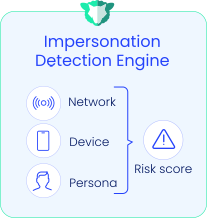
Real-time detection and prevention: Advanced systems can instantly block fake interactions and malicious activities right at the entry point, utilizing multi-factor telemetry for real-time verification.

Multi-channel security: A comprehensive security approach protects communications across platforms like Slack, Teams, Zoom, and email.

Proactive, first-contact prevention: By stopping AI-driven deepfake attacks at their source, these systems prevent internal damage.

Organizations that prioritize identity verification can significantly reduce financial and reputational damage. Case studies reveal avoided losses in hundreds of thousands to nearly a million dollars, underscoring the financial advantages of robust identity management systems.

Overcoming Human Error and Enhancing Security

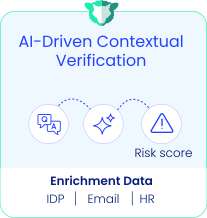
One challenge many organizations face is mitigating human error. It’s well-documented that fatigue and oversight can lead to vulnerabilities, even among the most experienced employees. By augmenting human efforts with context-aware identity verification systems, companies can reduce their reliance on human vigilance. These systems provide a safety net that catches what might otherwise slip through the cracks, ensuring a secure account recovery process and bolstering vigilance against potential threats.

Seamless Integrations and Scalability for Modern Workflows

Organizations demand solutions that seamlessly integrate with their existing workflows. The best identity management solutions offer no-code, agentless deployment with native connectors to platforms like Workday, Greenhouse, and RingCentral. This reduces operational burdens, allowing IT teams to focus on more strategic initiatives rather than grappling with cumbersome integrations.

Continuous Adaptation to AI Threats

AI threats is continuously evolving, necessitating systems that can adapt and outpace these changes. An AI engine that constantly updates can ensure long-term protection against emerging attack modalities. This capability is crucial for maintaining digital identity trust and confidence, allowing organizations to trust that “seeing is believing” in dominated by deepfake technology.

Multi-Channel Engagement for Wide-Ranging Protection

Effective identity verification is comprehensive, covering a variety of use cases. Critical areas include:

Hiring and onboarding processes: Utilizing robust systems to ensure that candidates are genuine and credentials are legitimate.

Vendor and contractor access: Implementing vetted access protocols to prevent insider threats and supply chain risks.

This level of engagement ensures that organizations, particularly those in mission-critical sectors, are shielded from potential threats across all fronts.

Building Trust in Digital Interactions

Where digital interactions are paramount, restoring trust has never been more important. Organizations must ensure that their communications are genuine, particularly when engaging with external parties or when recovering secure accounts. This trust is built through systems that provide real-time, proactive identity verification, eliminating the anxiety of discerning real from fake.

Case Studies and Data-Driven Insights

Real-world examples underscore the importance of robust identity systems. In instances where companies have integrated advanced verification techniques, many have reported significant reductions in fraud cases, such as device loss fraud. These insights are invaluable for professionals across industries, highlighting the tangible benefits of investing in comprehensive identity management solutions.

Enhancing Identity Confidence

With AI-driven threats continue to evolve, the importance of robust identity verification cannot be overstated. Organizations that implement proactive, context-aware identity systems position themselves where leaders in security, safeguarding their assets and reputation. By addressing security gaps head-on, companies can ensure that their digital interactions are both secure and reliable.

For professionals like CISOs, CIOs, and Risk Officers, staying informed about the latest in identity security is essential. The evolving nature of threats requires a dynamic approach, one that is adaptable, comprehensive, and unwavering in its commitment to protecting digital identities. Ultimately, organizations equipped with the right tools can navigate the complexities of digital with confidence and assurance.

Redefining Identity Verification

How can organizations stay ahead of an increasingly sophisticated threats? With AI rapidly advancing, this question looms prominently over security discussions. Innovations like deepfake technology are reshaping the digital battlegrounds, requiring robust and adaptive identity verification systems. Organizations across sectors, particularly those operating in mission-critical areas, must adopt comprehensive security approaches to combat these threats and preserve the integrity of their operations.

The Economics of Cybersecurity Missteps

The financial implications of failing to forward technologically cannot be overlooked. According to data, each successful cyberattack can cost a company anywhere between $500,000 to over a million dollars. These figures emphasize more than just monetary loss; they reflect disrupted operations, damaged reputations, and eroded stakeholder trust. Consequently, in-depth investment in identity verification is not merely a defense mechanism but a financial safeguard that preemptively reduces the chance of severe economic repercussions.

The Human Factor in Security Strategies

Automation and AI do not signify the exclusion of human involvement; rather, they accentuate the necessity for effective human oversight. Typically, human error accounts for a significant proportion of security breaches. Implementing robust identity systems that supplement human decision-making with AI’s precision can mitigate these risks. These systems intelligently identify inconsistencies and anomalies that might escape even the most attentive human review, providing an additional layer of security against potential oversights.

Maximizing the Benefits of Integrated Identity Verification Systems

Cross-departmental collaboration is crucial in ensuring that identity verification systems are implemented effectively. Companies should focus on solutions that offer seamless integration across various platforms and applications. This versatility allows for a nuanced approach that adapitates to different industry needs, whether it’s protecting sensitive customer data in financial institutions or ensuring the integrity of communication in healthcare.

  • Scalability: Recognizing the dynamic nature of business growth, effective identity verification solutions must offer scalable options. This flexibility ensures that while an organization’s needs evolve, its security measures can expand accordingly without losing efficacy.
  • Adaptability: Threats are changing, necessitating verification systems that can keep pace with the development of new attack vectors and methodologies, providing continuous protection against unforeseen vulnerabilities.

Viable Strategies for Wide-Ranging Protection

Implementing an effective security structure requires a multifaceted approach that encompasses both technology and human elements. Security strategies must engage various channels and stakeholders to establish a fortified defense mechanism.

Education and Awareness: As a critical component, targeted education campaigns raise awareness about the signs and implications of deepfake technology and other AI-driven tactics. This initiative enhances vigilance among employees, making it more challenging for malicious actors to exploit human vulnerability.

Policy Enforcement: Instituting and maintaining clear, actionable policies not only guides employee behavior but also serves as a benchmark for security practices. It aligns employee actions with organizational goals, ensuring compliance and minimizing risk.

Building and Maintaining Trust in AI Systems

When organizations increasingly depend on AI-driven identity verification, maintaining stakeholder trust is paramount. Clear expectations and transparent operations cultivate an environment where stakeholders feel secure.

  • Transparency: Openly communicating about the capabilities and limitations of AI systems fosters a mutual understanding, reducing uncertainty and building confidence among users and stakeholders alike.
  • Regular Audits: Conducting periodic audits to evaluate the performance and accuracy of AI systems helps identify potential areas for improvement, ensuring that the technology continues to uphold its intended standards.

Real-World Cases and Their Implications

One compelling example is an organization in finance that implemented advanced biometric verification systems. The results were immediate, showcasing a dramatic decrease in unauthorized access cases and thwarting potential identity fraud attempts. These success stories shed light on how proactive identity strategies yield tangible results and underscore the necessity for organizations to stay ahead of adversaries.

Understanding these dynamics is critical for leaders across industries. Chief Information Security Officers (CISOs), Chief Information Officers (CIOs), and Risk Officers must advocate for and invest in cutting-edge identity verification systems. Moving swiftly yet thoughtfully ensures continued security, reveals potential vulnerabilities before they can be exploited, and, importantly, protects both reputation and bottom-line assets.

Content on the Impersonation Prevention Community is created by guest contributors and is provided as community-generated material, not official company communication or endorsement. While we attempt to review submissions, we do not guarantee their accuracy and are not responsible for the opinions expressed. Readers should independently verify all information.