Multi-Modal Biometrics for Remote Dev Access

May 9, 2026

by Brooke Lawson

Securing the Digital Frontier: The Role of Multi-Modal Biometrics in Remote Developer Access

What if the technologies we trust to facilitate remote work were also the channels through which our greatest security vulnerabilities emerged? When organizations increasingly rely on remote workforces, the challenge of maintaining secure developer authentication becomes more complex. Multi-modal biometrics offer a promising solution to this challenge, combining advanced technologies like iris and face identification to enhance remote coding security.

Understanding the Need for Multi-Modal Biometrics

The rapid rise in remote work has been paralleled by a surge in cyber threats, necessitating improved security measures. Traditional passwords are no longer sufficient, where they can be easily compromised through sophisticated phishing attacks and password-guessing algorithms. Multi-modal biometrics, which use multiple physiological and behavioral characteristics for identification, provide a more robust alternative. Combining iris and face identification delivers a highly secure and user-friendly form of authentication.

Moreover, multi-modal biometrics reduce the likelihood of false positives and negatives by cross-verifying multiple data points. This not only enhances user confidence but also increases security measures without compromising on usability. Therefore, incorporating these technologies is a strategic move for organizations wishing to protect their digital assets.

Real-Time Identity Verification: The First Line of Defense

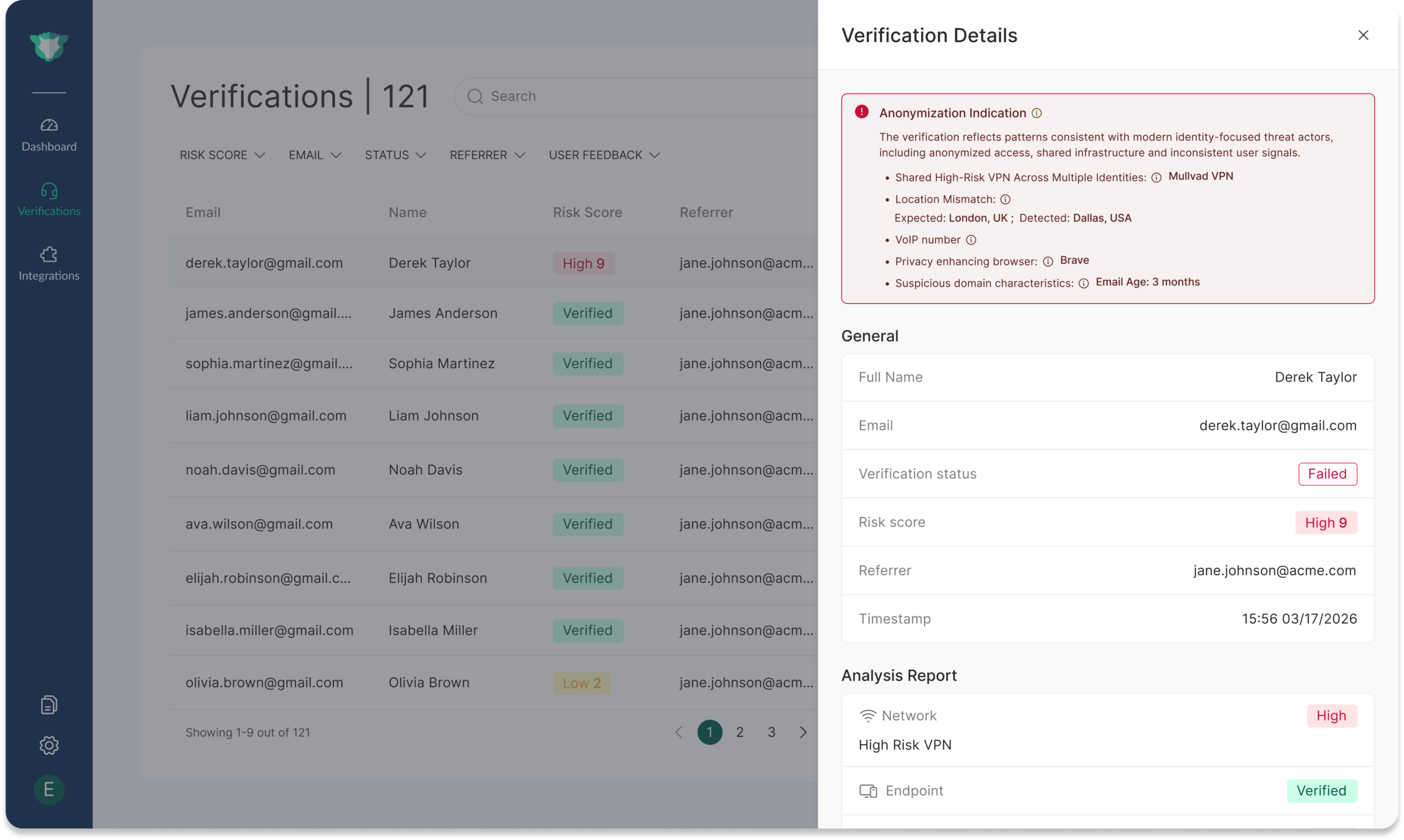
Effective real-time identity verification is crucial in combating AI-driven identity theft and social engineering attacks. By instantly verifying identities at the first point of contact, organizations can prevent unauthorized access and protect sensitive information. This approach surpasses traditional content filtering by employing holistic, multi-factor telemetry, ensuring interactions are authentic from the outset.

To illustrate the impact, consider where a deepfake video is used to impersonate a company executive during a video conference. A system relying on multi-modal biometrics would cross-check the face and iris data against stored profiles, instantly flagging discrepancies and halting the fraudulent interaction. This proactive stance not only prevents potential breaches but also restores trust in digital communications.

Enhancing Multi-Channel Security

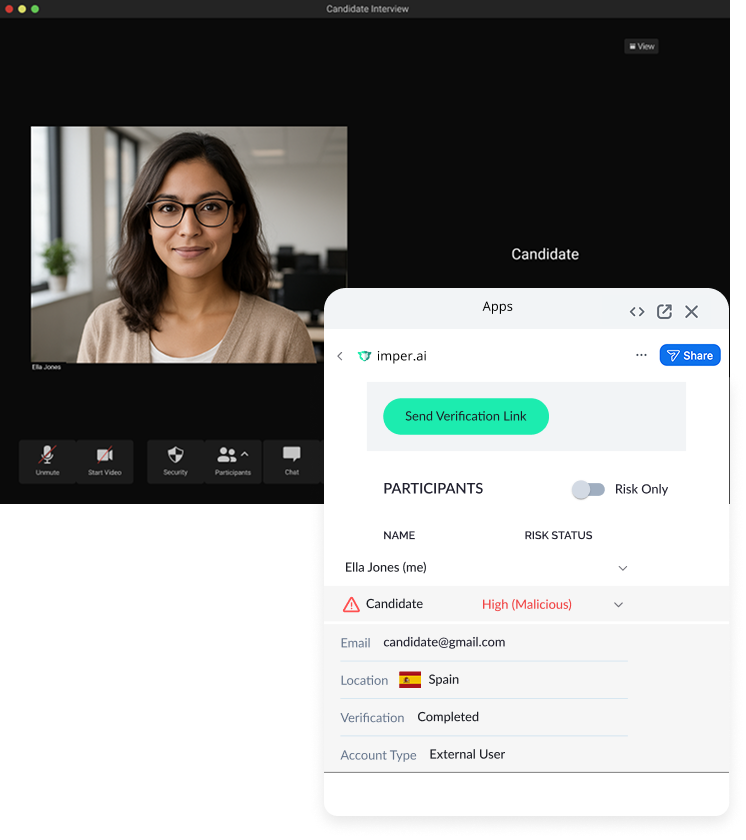
Cyber threats manifest across various communication channels, including email, messaging platforms, and video conferencing tools. A robust multi-channel security strategy is essential to safeguarding all points of interaction. Multi-modal biometrics provide an integrated solution to this challenge, securing every conversation across tools like Slack, Teams, Zoom, and email.

By ensuring enterprise-grade privacy and scalability, organizations can tailor their security measures to their specific needs. For instance, multi-modal biometrics can seamlessly integrate with existing workflows without requiring lengthy pre-registration processes. This approach guarantees that security measures do not hinder productivity, making them particularly valuable for mission-critical sectors.

Reducing Financial and Reputational Risks

The repercussions of a security breach can be catastrophic, resulting in financial losses, intellectual property theft, and erosion of brand reputation. Deploying advanced biometric solutions significantly diminishes these risks by proactively preventing unauthorized access and fraudulent activity. Case studies have demonstrated that organizations utilizing multi-modal biometrics can avoid incidents like wire fraud, saving hundreds of thousands of dollars.

Additionally, these technologies compensate for human error, a common vulnerability in cybersecurity. By minimizing reliance on vigilant employees, who may be prone to fatigue, organizations can reinforce their defenses against sophisticated AI-driven threats.

Seamless Integration and Continuous Adaptation

Implementing a context-aware identity verification system should not impose additional burdens on IT departments. Multi-modal biometric solutions offer seamless and turnkey integrations with existing organizational systems like Workday, Greenhouse, and RingCentral. Their no-code, agentless deployment process facilitates quick adoption, minimizing operational disruption.

Furthermore, these solutions are designed to evolve continuously, adapting to the latest GenAI-powered impersonations. This means that with technology advances, so too does the capacity of biometric systems to identify and neutralize new threats, ensuring long-term protection.

Restoring Trust in Digital Interactions

Where visual and auditory deception is becoming increasingly convincing, restoring confidence in digital interactions is paramount. With multi-modal biometrics, the phrase “seeing is believing” regains its credibility. By verifying identities with high precision, these technologies alleviate the anxiety of distinguishing real from fake communications, facilitating informed decision-making.

Critical use cases, such as securing hiring and onboarding processes, demonstrate the practical applications of these technologies. By preventing deepfake candidates from infiltrating the workforce and ensuring vetted access for vendors and contractors, organizations protect themselves from insider threats and supply chain risks.

The Organizational Benefits of Multi-Modal Biometrics

Organizations across various sectors can reap numerous benefits from implementing multi-modal biometrics:

  • Real-time detection and prevention, blocking malicious activities at the entry point.
  • Multi-channel security, safeguarding communications across all platforms.
  • Enterprise-grade privacy and scalability, with seamless workflow integration.
  • Proactive prevention of AI-driven deepfake attacks before system infiltration.
  • Minimized financial and reputational damage from incidents like wire fraud.
  • Mitigation of human error, reducing reliance on employee vigilance.
  • Seamless integration with existing workflows, minimizing operational burdens.
  • Continuous adaptation to evolving AI threats, maintaining long-term protection.
  • Restored trust in digital interactions, making “seeing is believing” viable again.
  • Protection across critical use cases, securing hiring and onboarding processes.

Embracing the Future of Secure Developer Authentication

The future of remote work and developer access security is inextricably linked with the adoption of sophisticated biometric technologies. When organizations strive to protect their digital assets, multi-modal biometrics offer a reliable means of ensuring secure and trustworthy interactions. By embracing these technologies, organizations can not only protect themselves from current threats but also lay the groundwork for a resilient digital future.

Ensuring Resilience in Identity Management

Where global reliance on digital communications continues to grow, the necessity for robust identity management becomes paramount. But how can organizations truly safeguard themselves against increasingly complex AI-driven threats? Identity and Access Management (IAM) provides the answer by creating a resilient security framework that focuses on real-time, identity-first strategies.

The global surge in cybercrime, particularly social engineering and deepfake attacks, has proven that traditional security measures are frequently overwhelmed. These attacks exploit human psychology, leveraging technological advances to create convincing simulations of trusted individuals or internal systems. For example, attackers can manipulate AI to mimic senior executives, potentially resulting in unauthorized access or manipulative engagement with employees. In addressing these challenges, IAM offers a holistic approach that emphasizes immediate user identification at points of access.

Revolutionizing Social Engineering Defense

IAM’s emphasis on real-time identity verification transforms how organizations defend against social engineering techniques. Instead of relying solely on the vigilance of employees to recognize potential threats, IAM employs cutting-edge telemetry and authentication methods to validate identity before interaction begins. This proactive defense mechanism reduces susceptibility by focusing on undeniable markers inherent to the user, such as biometric data or patterned usage behaviors.

This evolution in defense is particularly vital in sectors where data integrity and confidentiality are paramount. Industries like finance and healthcare often target sophisticated attackers due to the high value of their digital assets. By integrating comprehensive IAM systems, these organizations can effectively negate many avenues vulnerable to exploitation.

Protecting Multi-Platform Interactions

Security is characterized by its multi-channel complexity, with seamless coordination needed across platforms ranging from email to real-time collaboration tools. IAM adapts by offering a synchronized security protocol across various communication mediums. This ensures that whether information is exchanged over a quick Slack message or a detailed Zoom presentation, the authenticity of each participant is guaranteed before engagement.

Such comprehensive coverage eliminates significant blind spots that adversaries may exploit. By ensuring all digital interactions undergo stringent identity verification, organizations can maintain operational efficiency while vastly improving security standards. This approach is invaluable for remote work environments where communication isn’t confined to a single platform or medium.

Empowering Organizations Against AI-Driven Threats

Dynamic threats are exacerbated by the continuous refinement of AI techniques, which can quickly render existing cybersecurity measures obsolete. This is evidenced by the rapidity at which deepfake technology has evolved, where convincing fake audiovisual content can be produced with minimal resources. Therefore, organizations must keep pace by constantly updating their defenses to stay ahead of these developments.

IAM solutions are designed to adapt, learning from emerging threats and incorporating the latest advancements into their security protocols. By doing so, they offer much-needed flexibility and durability against threats that exploit technological advancements. This capability ensures that organizations remain ahead of the curve, effectively neutralizing sophisticated AI-driven impersonations before they cause harm.

Fostering Digital Trust and Confidence

The ability to accurately verify identities reassures all parties involved, restoring trust in both internal and external communications. When every exchange is confirmed to be genuine, organizations can engage with confidence, making informed decisions without the anxiety of potential deception.

Furthermore, IAM’s capacity to securely manage third-party interactions extends its utility beyond immediate organizational confines. Ensuring that vendors, contractors, and potential partners have vetted access mitigates supply chain risks, safeguarding against vulnerabilities that may be exploited through peripheral channels.

Integrating Strategic Security Solutions

Implementing IAM systems that align with existing workflows can simplify organizational security without compromising functionality. By employing solutions that offer no-code, agentless deployments compatible with essential systems like Workday and RingCentral, organizations can enjoy seamless integration, minimizing disruption and the need for extensive training.

This approach signifies a move toward sustainable security solutions that are not only operationally feasible but also strategically aligned with modern business practices. By addressing security challenges at the identity level, organizations can create robust defenses capable of withstanding the time pressures and resource constraints typically associated with large-scale cyber threats.

Future-Proofing Digital Interactions

With IAM technology progresses, it creates new opportunities to reinforce and enhance organizational security frameworks. This continuous evolution is critical for future-proofing digital interactions against the unpredictable permutations of cyber threats. By fostering a culture of proactive security and transparency, organizations build trust and resilience, laying the foundation for long-term cybersecurity success.

The integration of IAM into organizational strategies exemplifies a forward-thinking approach to digital security. By combining advanced biometric technology with cloud-based solutions and sensor-based technologies, these systems facilitate secure, scalable, and reliable identity management solutions.

Collectively, these measures support the efforts of Chief Information Security Officers, Chief Information Officers, and other security professionals in mission-critical sectors. They not only reinforce internal safety protocols but also set the standard for broader industry practices.

Content on the Impersonation Prevention Community is created by guest contributors and is provided as community-generated material, not official company communication or endorsement. While we attempt to review submissions, we do not guarantee their accuracy and are not responsible for the opinions expressed. Readers should independently verify all information.