Four DPRK IT Workers Entered The Hiring Pipeline. Infrastructure-Layer Detection Stopped Them.
Four DPRK IT workers entered one hiring pipeline. Here’s the infrastructure-layer detection that stopped them before credentials were issued.
Detecting DPRK IT Workers: High-Confidence Network & Identity Indicators (Q1 2026)
Four DPRK IT workers detected in a single hiring cohort of 600. Network, device, and identity signals. Zero credentials issued.
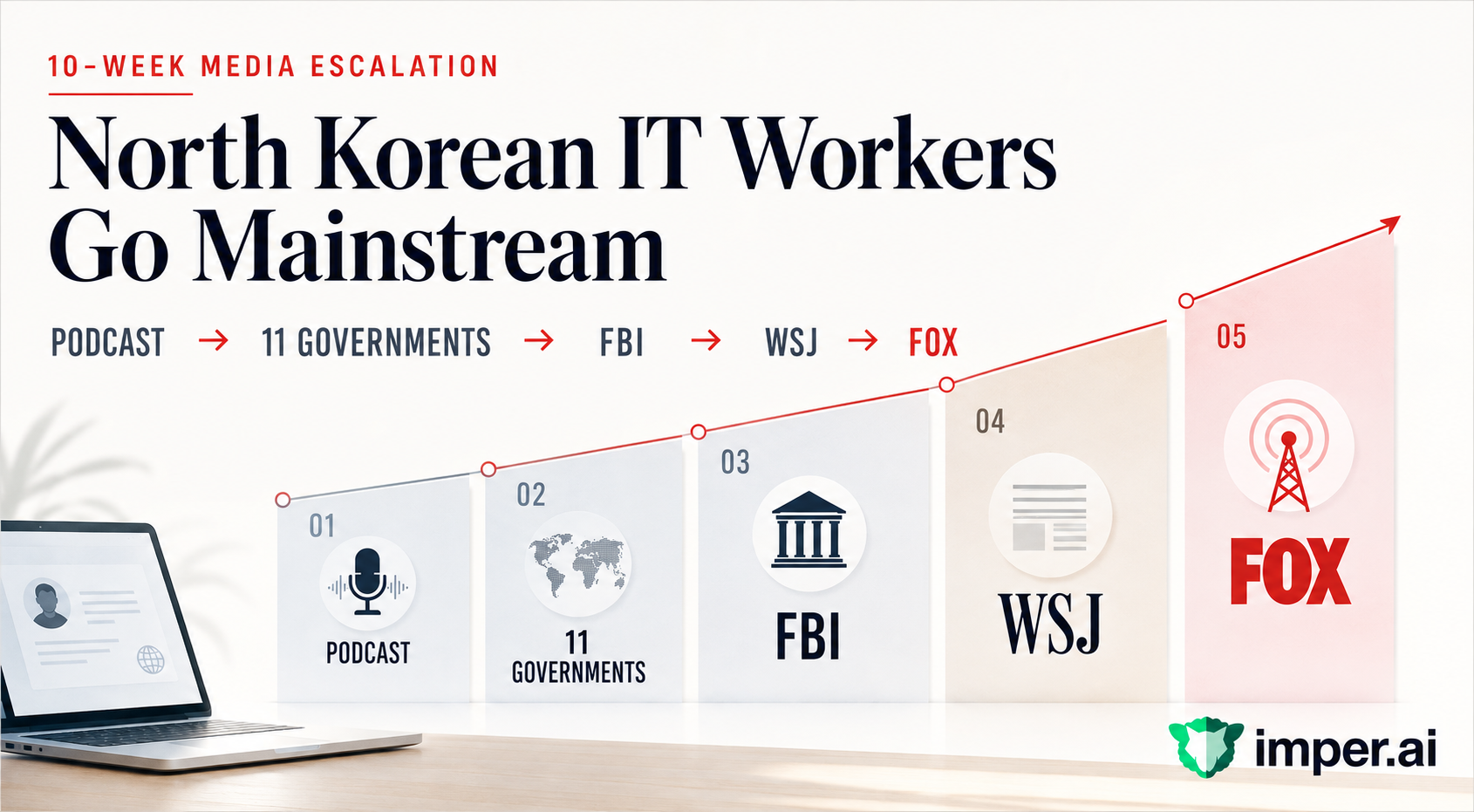
North Korean IT Workers Go Mainstream: A 10-Week Media Roundup
Timeline of North Korean IT worker coverage moving from podcasts and government warnings to the FBI, The Wall Street Journal and Fox News.

You have been warned: eleven governments just put the North Korean IT worker threat on the record
You have been warned: eleven governments just put the North Korean IT worker threat on the record.
Vishing Hit a Retail Help Desk for a Month. The Tell Was Never in the Voice.
Three vishing case files from one month at a retail help desk: every call sounded fine, and every flag came from the signals underneath it, not the voice on it.
Case Files from the Help Desk: A Month of Vishing (Q2 2026)
What does help desk vishing look like in the wild? Across 450 password reset attempts in one month, imper.ai surfaced coordinated impersonation patterns that individual calls alone would have missed.

Why impersonation detection just became its own category
Impersonation attacks have moved beyond isolated incidents into a security category of their own. New Gartner research recognizes impersonation detection across both workforce identity and hiring, reflecting a growing problem that traditional identity verification alone wasn’t built to solve.
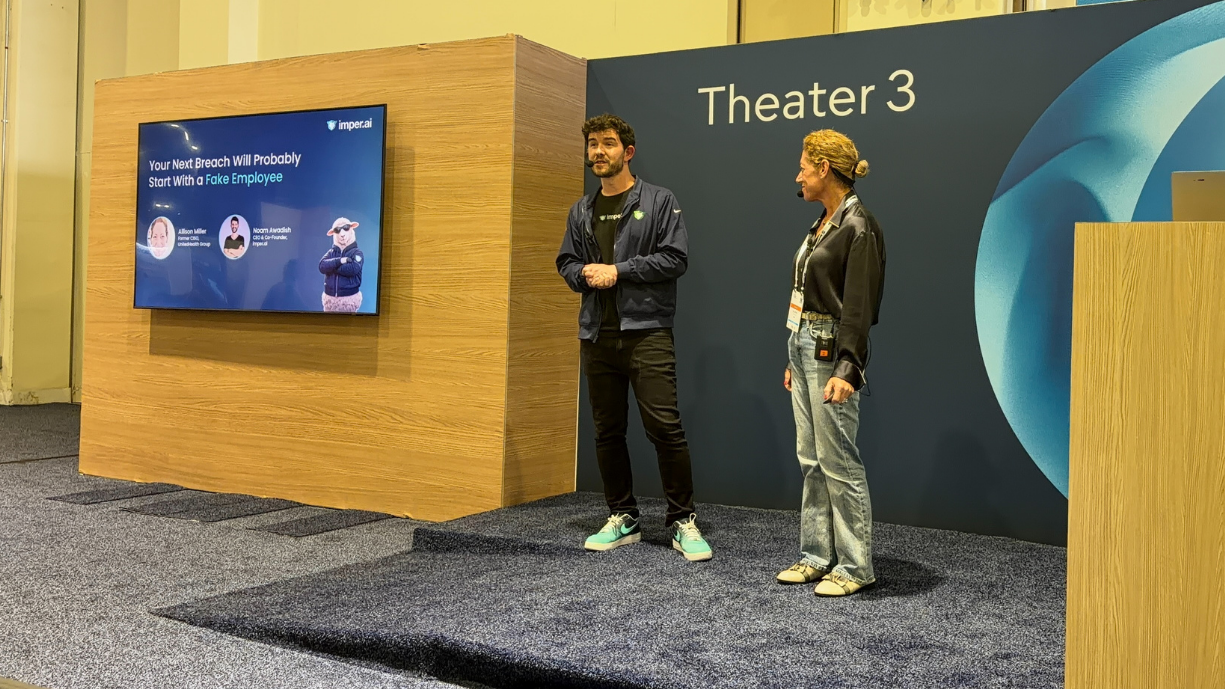
What the Gartner SRM Summit Confirmed About the Identity Attack Surface
At Gartner SRM, one theme kept surfacing: organizations may have authentication covered, but identity is a different problem. Here’s what security leaders and new Gartner research revealed about the growing identity attack surface.

imper.ai Recognized in Redpoint’s 2026 InfraRed 100
imper.ai is proud to announce we’ve been recognized in Redpoint Ventures’ 2026 InfraRed 100 list.

Vishing is the fastest-growing way attackers are breaking in. Most security stacks cannot see it
Voice phishing is the #1 initial infection vector for cloud compromises in 2025. Here is why the existing security stack misses it, and what closes the gap.
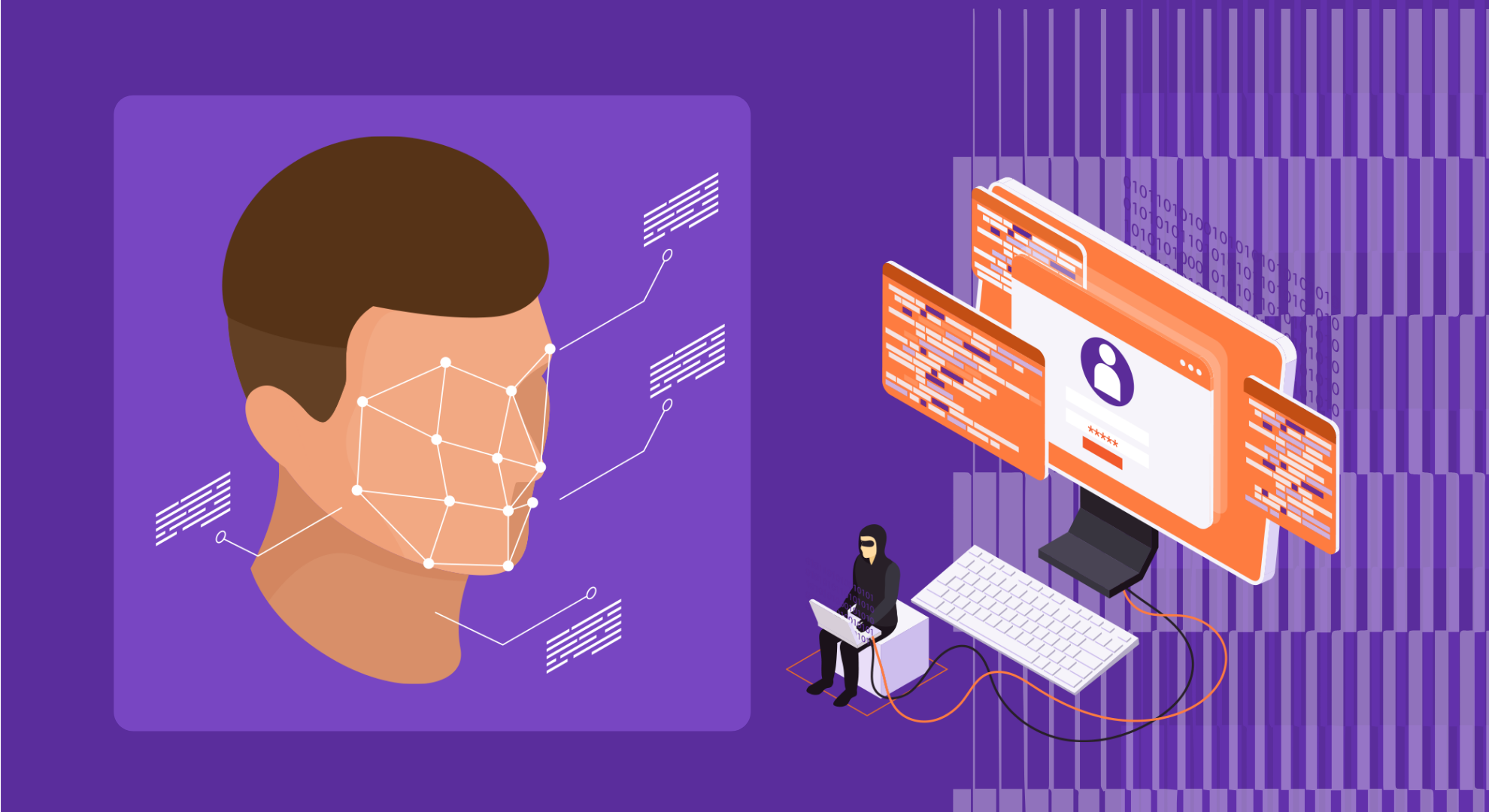
Hiring Fraud: How Attackers Walk Through the Front Door of Your Workforce
DPRK operatives are now embedded inside Fortune 500 payroll systems, hired through standard recruiting pipelines using AI-assisted personas, fraudulent identities, and infrastructure designed to bypass every check HR was built to run.